
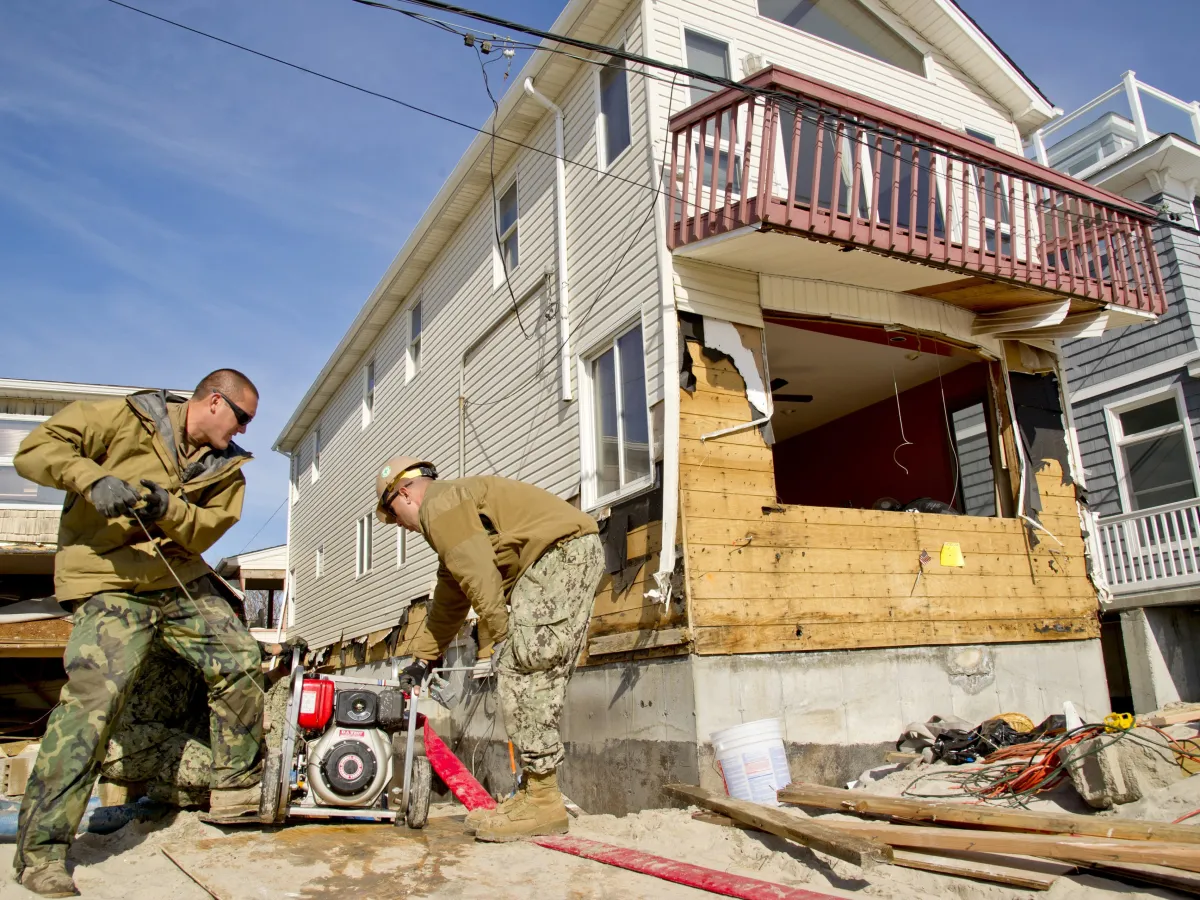
Every hour it sits, it spreads
Standing water doesn't just sit there. It wicks up into drywall, soaks into carpet padding and subfloors, and creeps under baseboards into the next room. Furniture legs and boxes on the floor drink it up from the bottom.
The longer water stays, the bigger the job becomes. A problem that could have been one wet room can turn into torn-out drywall, ruined flooring, and mold in a matter of days.
Getting it out before it soaks in
Water extraction is the first step in any water loss. Removing standing water from floors and carpet as quickly as possible limits how far it spreads and how much of your home has to be repaired or replaced.
Extraction doesn't finish the job, but it sets up everything that follows. Once the standing water is gone, the structure can be dried properly and repairs can begin sooner.
Saving what's sitting in the water
While the water is being removed, your belongings need to get out of it too. Furniture, boxes, rugs, and anything else sitting on wet floors are moved out of harm's way and logged on your inventory.
Items that can be restored are cleaned and stored securely while your home dries out. Anything that can't be saved is documented on your claim before it's removed.
Frequently Asked Questions
Can I just use a shop vac?
For a small amount of clean water on a hard floor, a wet/dry vacuum can help. But for larger amounts, water that has soaked into carpet, or any water from a sewer backup or flood, a shop vac won't remove enough, and contaminated water needs careful handling. Never use electric equipment in standing water unless the power to that area is off.
How quickly does water need to be removed?
As quickly as possible. The EPA recommends drying water-damaged materials within 24 to 48 hours to help prevent mold growth, and that clock starts when the water arrives. Removing standing water early is the first step toward hitting that window.
Is it safe to walk through standing water in my house?
Be careful. Water near outlets, appliances, or extension cords can carry an electrical current, so stay out until the power to that area is off. Water from a sewer backup or outside flooding can also carry bacteria and contaminants. Wear boots and gloves if you have to go in.
The water's gone. Do I still need extraction?
Possibly. Even when the floor looks dry, carpet padding, subfloors, and the bottoms of walls can still be holding a lot of water. That hidden moisture is what leads to mold and musty smells later. Having the area checked tells you whether there's still water to remove.
What happens after the water is removed?
Once the standing water is gone, the structure still needs to be dried out, including walls, subfloors, and other spaces you can't see. Your belongings are cleaned, restored, and stored while that happens, then brought back once your home is ready.
Locally owned and operated by Jeff Sitz and Brian Rick from our Akron office at 1477 Copley Rd.