The basement is underwater
There's a particular sinking feeling in walking down the basement stairs and seeing water where the floor should be. The holiday decorations, the boxes of kids' artwork, the old photos, and the spare furniture are all sitting in it.
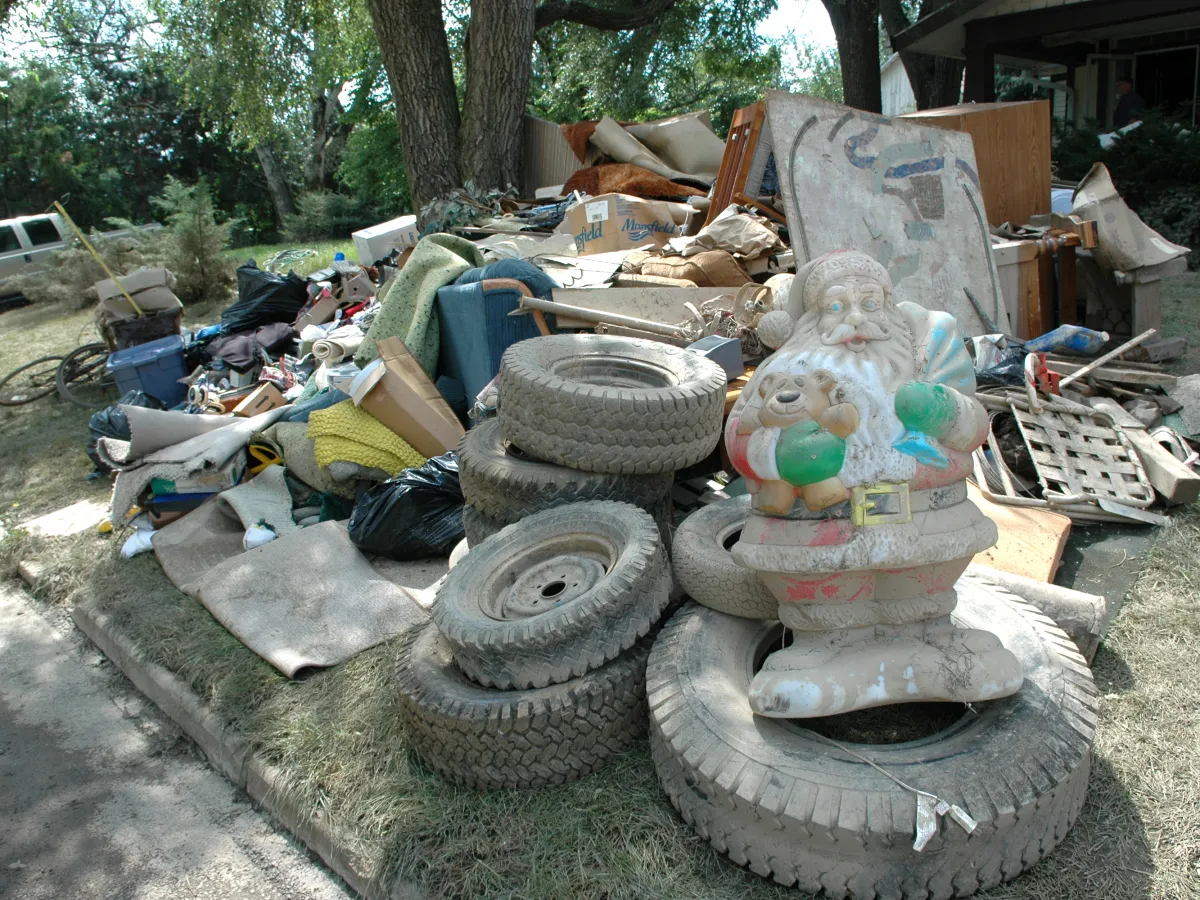
It's overwhelming, and it's easy to start hauling everything to the curb just to make it stop. Before you do, know that a lot of what's down there can often still be saved, and what can't should be documented first.
Floodwater isn't clean water
Water that comes in from outside or backs up through a floor drain carries more than mud. It can bring bacteria, sewage, and chemicals into your home, and anything porous it soaks into takes on those contaminants too.
That's why flood cleanup is different from mopping up a leak. Contaminated materials have to be handled carefully, and belongings that touched floodwater need proper cleaning before they're safe to bring back into your home.
Sorting what can be saved
Not everything that got wet is a loss. Hard items, many fabrics, furniture, and keepsakes can often be cleaned and restored. Things like mattresses, stuffed toys, and soaked cardboard are usually harder to save after floodwater.
Each item is sorted, logged on your inventory, and either restored or documented as a loss. That way, nothing that could have been saved ends up in the dumpster, and nothing you lost disappears from your claim.
Frequently Asked Questions
Does homeowners insurance cover flood damage?
Usually not. Standard homeowners policies typically exclude flooding from outside water, which is covered by separate flood insurance. That can be a problem here. After heavy rain in August 2024, Norton homeowners told city council their basements had flooded, and some noted their neighborhoods aren't in a floodplain, which makes flood coverage harder to get.
Is a sewer backup the same as a flood?
Not for insurance purposes. A sewer or drain backup is usually treated differently from outside flooding, and many policies only cover it if you've added a water backup endorsement. Check your policy for that coverage, especially if your home has a finished basement or a floor drain.
Is floodwater dangerous?
It can be. Floodwater and sewer backups can carry bacteria, sewage, and chemicals. Avoid wading in it, wear gloves and boots if you have to go into the area, and keep children and pets away. If the water is near outlets or appliances, don't enter until the power is off.
Can flooded belongings be saved?
Many can. Hard items, many textiles, furniture, photos, and keepsakes can often be cleaned and restored if they're handled quickly. Porous items soaked in contaminated water, like mattresses and stuffed toys, are usually harder to save. Each item is assessed, and anything that can't be restored is documented on your claim.
What should I keep for my insurance claim?
Take photos and video of the water and the damage before anything is moved, if you can do so safely. Don't throw out damaged belongings until they've been documented, because what goes to the curb without a record can be hard to claim. Every item we handle is logged on your inventory, which gives your adjuster a clear record.
Can I lower my property taxes after flood damage?
Possibly. Under Ohio law, owners of property damaged by a flood or storm can apply to the Summit County Fiscal Office for a valuation deduction using Form DTE 26. If it's approved, your home's appraised value is reduced for that tax year, which lowers the tax bill. The Fiscal Office has set a December 31 filing deadline after recent storms, so apply as soon as you can.
Locally owned and operated by Jeff Sitz and Brian Rick from our Akron office at 1477 Copley Rd.