
It was my grandmother's, and no check can replace it
An antique painting or print is rarely just something on the wall. It's a family heirloom. It hung in your parents' house, or it came to you when someone you loved passed away. When fire or water reaches it, a replacement check misses the point entirely.
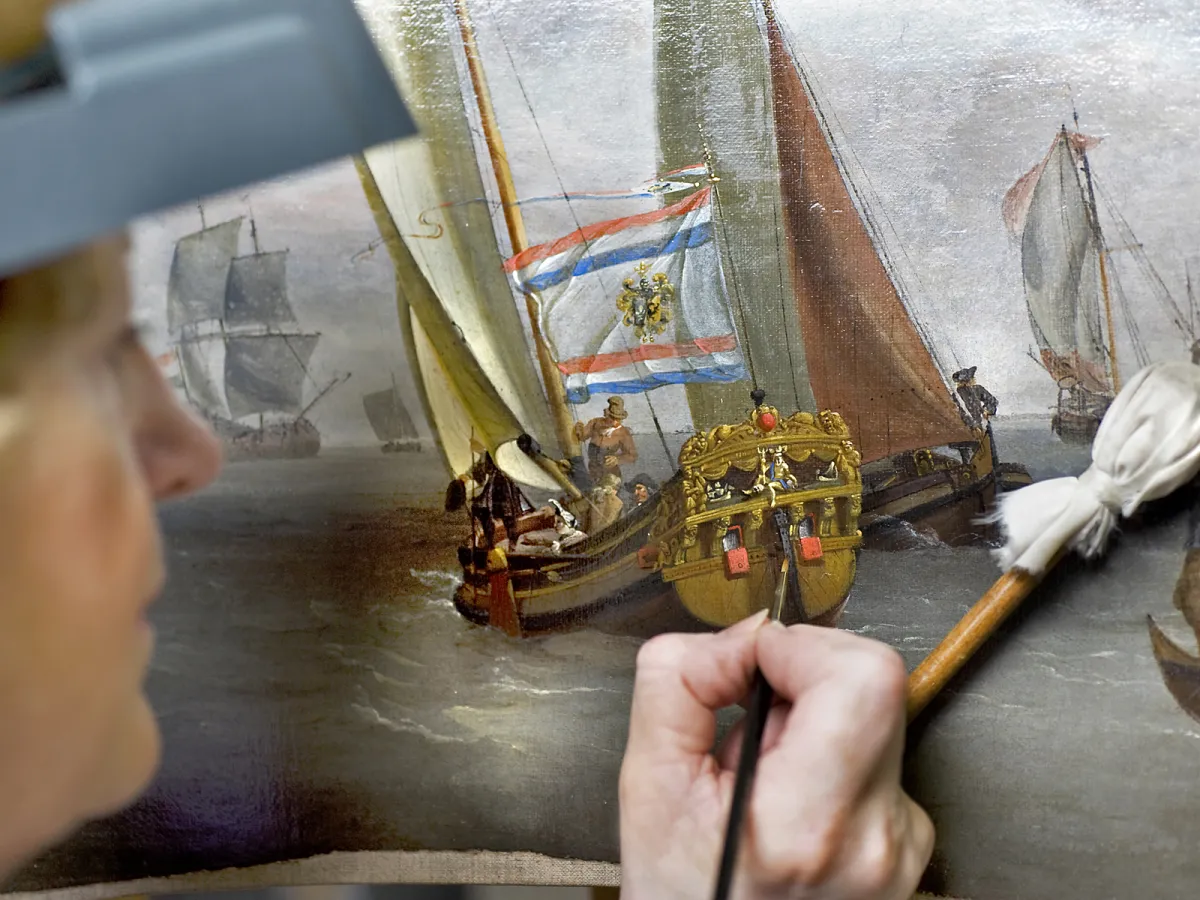
That's why every piece is assessed before anything is decided. Smoke film and water staining often sit on the surface, and a piece that looks lost can frequently be cleaned. You'll know which pieces can be restored and which can't before anything is thrown away, and anything that can't be saved is documented on your claim.
Afraid cleaning will do more damage than the fire
Old pieces are fragile in ways newer ones aren't. Aged varnish, brittle paper, and older frames can all react badly to the wrong cleaner or too much pressure. That fear is reasonable, and it's why nothing on an antique gets cleaned until it has been looked at closely.
The method for each piece is chosen by what it's made of, not one cleaning applied to everything. Until a piece has been assessed, leave the surface alone. Wiping soot off an old painting usually pushes it deeper into the paint or paper.
Not wanting it packed in a box with everything else
Watching a crew pack up your home is hard enough. Watching them reach for the painting that has been in your family for generations can feel unbearable. Your antique art is packed out with your other belongings, and every piece is logged on your inventory before it leaves the house.
After it's restored, it stays in secure storage until your home is ready, so it isn't sitting in a damaged house while repairs go on around it. You and your adjuster can see where each piece stands the whole time, from the day it leaves to the day it comes back to your walls.
Proving what an old piece was worth
After a loss, the hardest part of claiming an antique is often showing what it was. Memory is a weak record, and receipts for something bought generations ago are usually long gone.
Gather whatever you have: appraisals, old photos of the piece hanging in your home, auction or gallery paperwork. If those photos were damaged too, they can often be restored as well. If a piece was listed on a fine art rider, it may be handled separately from the rest of your contents. Our claim specialists work directly with your adjuster, and every piece, restored or not, is documented on the same inventory, so nothing of value quietly drops off your claim.
Frequently Asked Questions
Will restoring an antique painting lower its value?
The goal is to remove the smoke, soot, or water staining the loss caused, not to change the original piece. Every antique is assessed first, and the method is matched to its materials. If a piece is valuable enough that its market value matters to your claim, ask your adjuster whether an independent appraisal makes sense before restoration begins.
Should I clean soot off an old painting or frame myself?
No. Wiping soot off a painting or print usually smears it deeper into the paint, canvas, or paper, and older surfaces are often more fragile than newer ones. Don't use water, household cleaners, or heat. Leave the piece where it is, or move it somewhere dry if you can do that safely, and let it be packed out and assessed.
What kinds of antique art can be restored?
Older paintings, prints, and framed pieces damaged by fire, smoke, or water. Many look worse than they are, because soot and smoke film often sit on the surface. Each piece is assessed before any work begins, so you'll know which can be restored and which can't, and anything that can't be saved is documented on your claim.
Does homeowners insurance cover antique art?
Antique art is usually covered under the contents portion of a homeowners claim, though your own policy decides what's included and how much. High-value pieces are sometimes listed separately on a fine art rider, so check whether any of yours are. Restoring a piece often costs less than replacing it, which is why insurers support restoration.
What should I do with a wet antique painting or print?
Move it away from the water if you can do that safely, and keep it somewhere it won't get wetter. Don't dry it with a hair dryer or heater, and don't press it flat. Wet paper and canvas can grow mold within days, so the sooner it's packed out and assessed, the better the odds it can be saved.
Locally owned and operated by Jeff Sitz and Brian Rick from our Akron office at 1477 Copley Rd.